Budget
Cheap healthy meals that don't feel like a compromise
Cheap healthy meals that don't feel like a compromise are built on a handful of affordable staples, beans, eggs, whole grains, and seasonal vegetables, dressed up with real flavor from spices, garlic, and a good sauce. The trick isn't eating less, it's building meals around cheaper ingredients most of the week and letting a few pricier ones balance out.
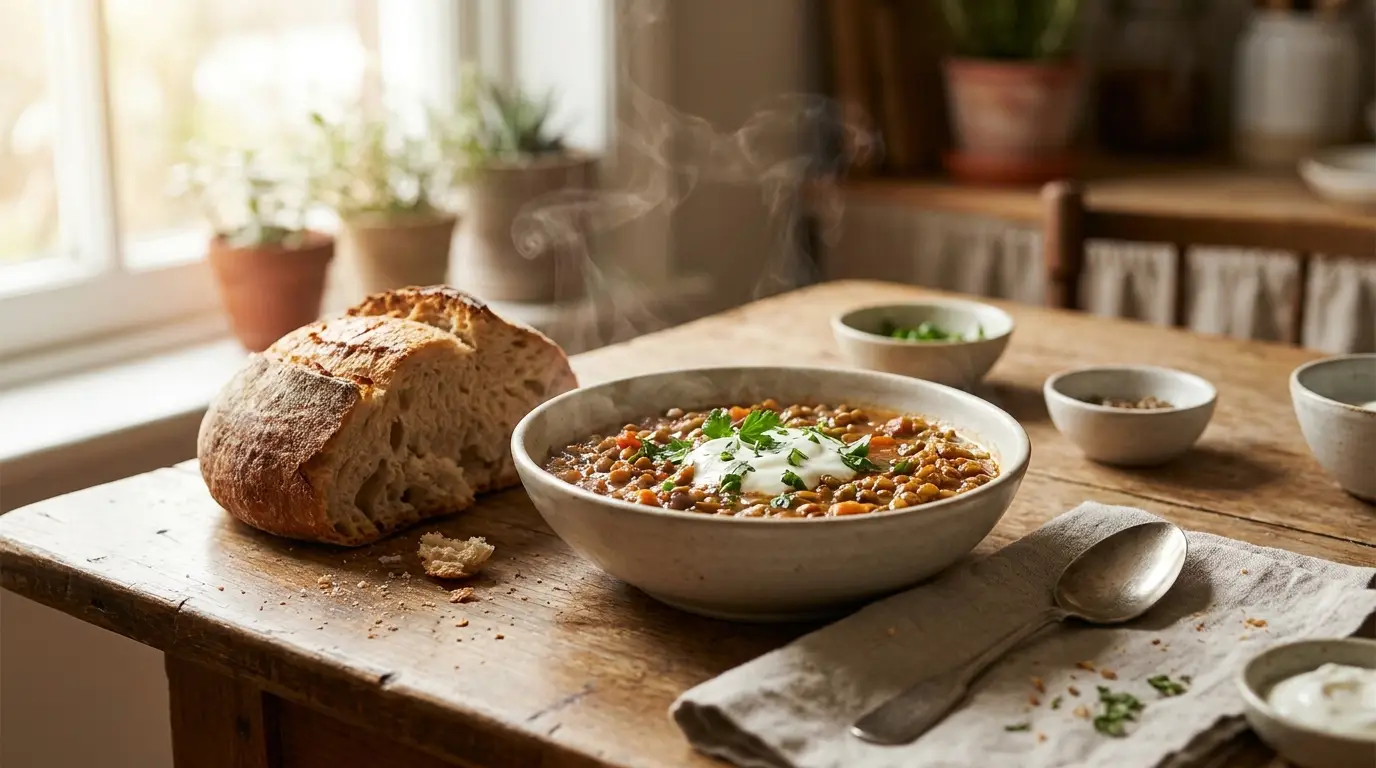
Build meals around a short list of affordable staples
Beans, lentils, eggs, rice, oats, and canned tomatoes are inexpensive, keep for a long time, and form the base of dozens of different meals. Learning five or six ways to dress up these staples, a curry, a chili, a grain bowl, gives you real variety without a long or expensive shopping list.
The flavor comes from spices, garlic, onion, and acid like lemon or vinegar, all of which are cheap and go a long way. A pot of seasoned beans and a squeeze of lime tastes nothing like a bland budget meal.
Stretch protein with beans, eggs, and grains
Meat is usually the most expensive item on a plate, so meals that use it as an accent rather than the main event tend to cost noticeably less. Bulk a smaller portion of meat with beans, lentils, or extra vegetables, or swap it out entirely a few nights a week for eggs or a bean-based main.
A chili with half the usual meat and an extra can of beans, or a stir-fry with eggs instead of chicken, keeps the meal filling and protein-forward while cutting a real chunk off the grocery bill.
Buy produce that's in season or frozen
Seasonal produce is typically cheaper because it's in abundant supply, and frozen vegetables and fruit are picked and frozen at peak ripeness, often for less money than fresh out-of-season versions. Both are genuinely healthy choices, so there's no tradeoff in reaching for the freezer aisle when the fresh version is priced high.
Frozen spinach, peas, and berries are especially good value because they cost a fraction of fresh and work in almost anything, from smoothies to stir-fries to soups, without any real difference in the finished meal.
Let the week balance out, not every meal
Budget healthy eating works best over a whole week, not meal by meal. A few nights built on beans, eggs, or grain bowls leave room in the budget for one nicer dinner, like fish or a cut of meat you actually want, without derailing the total for the week.
Planning the week as one budget, rather than pricing each dinner separately, is what makes cheap and healthy feel sustainable instead of restrictive. Estimate a rough weekly grocery target and build the plan to land near it.
Frequently asked questions
What are the cheapest healthy staples to build meals around?
Is it possible to eat healthy on a tight budget?
Is frozen produce as healthy as fresh?
How can I reduce meat costs without cutting it out entirely?
Keep reading
Build a plan around your household
Set your diet, allergies, eaters, and budget once. Feastide plans the week and turns it into one aisle-grouped shopping list you'll actually use in the store.