Household
Meal planning for two (without wasting food)
Meal planning for two without wasting food means scaling recipes down instead of cooking a family-sized batch every night, buying produce in amounts you'll actually finish, and choosing meals that share ingredients across the week. Plan a couple of nights to deliberately make extra for lunch the next day, rather than ending up with unplanned, forgotten leftovers.
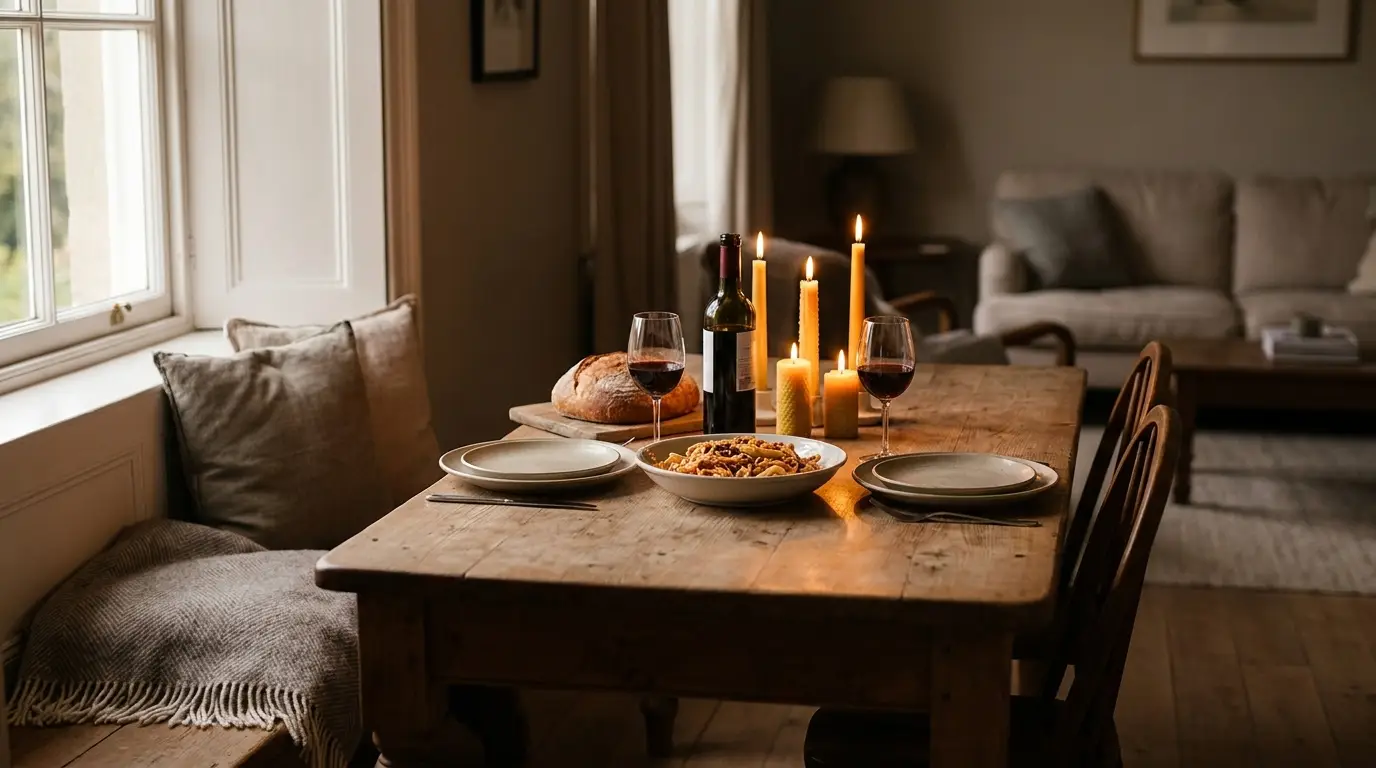
Scale recipes down instead of cooking a full batch
Most recipes are written for four, so halving them, or cooking a full batch on purpose only when you want leftovers, keeps portions from piling up in the fridge. Halving is usually straightforward for stovetop meals; for baked dishes, use a smaller pan rather than trying to halve an odd-shaped dish.
Keep a small kitchen scale or measuring cups handy so scaling down is quick rather than a math problem every time. A few minutes of adjusting a recipe once means you'll remember the amounts next time.
Buy produce in amounts that match how you actually cook
A full bag of a vegetable makes sense for a family of five, not always for two. Buy loose produce instead of prepackaged bags where you can, or plan two meals that use the same vegetable so a full bag or bunch gets used before it turns, rather than half of it going soft in the drawer.
Frozen vegetables are a genuinely good option for two-person households: you use exactly what you need and the rest stays fine in the freezer, with none of the pressure to finish a fresh bag by a deadline.
Pick meals that share ingredients on purpose
Choosing two or three dinners that use the same herb, sauce base, or vegetable means you buy one quantity and use all of it, instead of buying a full bunch of cilantro for one recipe and watching the rest wilt. This is the single biggest lever for cutting both cost and waste for a two-person household.
A jar of a favorite sauce, a bag of onions, or a bunch of herbs can anchor two or three completely different meals across the week if you plan for it up front rather than recipe by recipe.
Make leftovers on purpose, not by accident
Pick one or two nights to cook a bit extra on purpose, so tomorrow's lunch is already made instead of a fridge full of odd half-portions nobody planned for. Deliberate leftovers get eaten because they're expected; accidental ones get pushed to the back of the fridge and forgotten.
Label containers with the day you cooked them and keep them at the front of the fridge, at eye level, so the planned leftover actually gets eaten before it's out of mind.
Frequently asked questions
How do I halve a recipe that serves four?
Is it cheaper to cook for two or eat out?
Should two-person households buy in bulk?
How do I stop half-used ingredients from going bad?
Keep reading
Build a plan around your household
Set your diet, allergies, eaters, and budget once. Feastide plans the week and turns it into one aisle-grouped shopping list you'll actually use in the store.