Guide
Back-to-school meal planning that sticks
Back-to-school meal planning that sticks starts with a short rotation of fast dinners and packable lunches, plus one repeatable planning session each week. Pick five or six go-to dinners the whole family will eat without a fight, build lunches around a few swappable components, and set a fixed weekly time to plan and shop so evenings don't turn into daily improvisation.
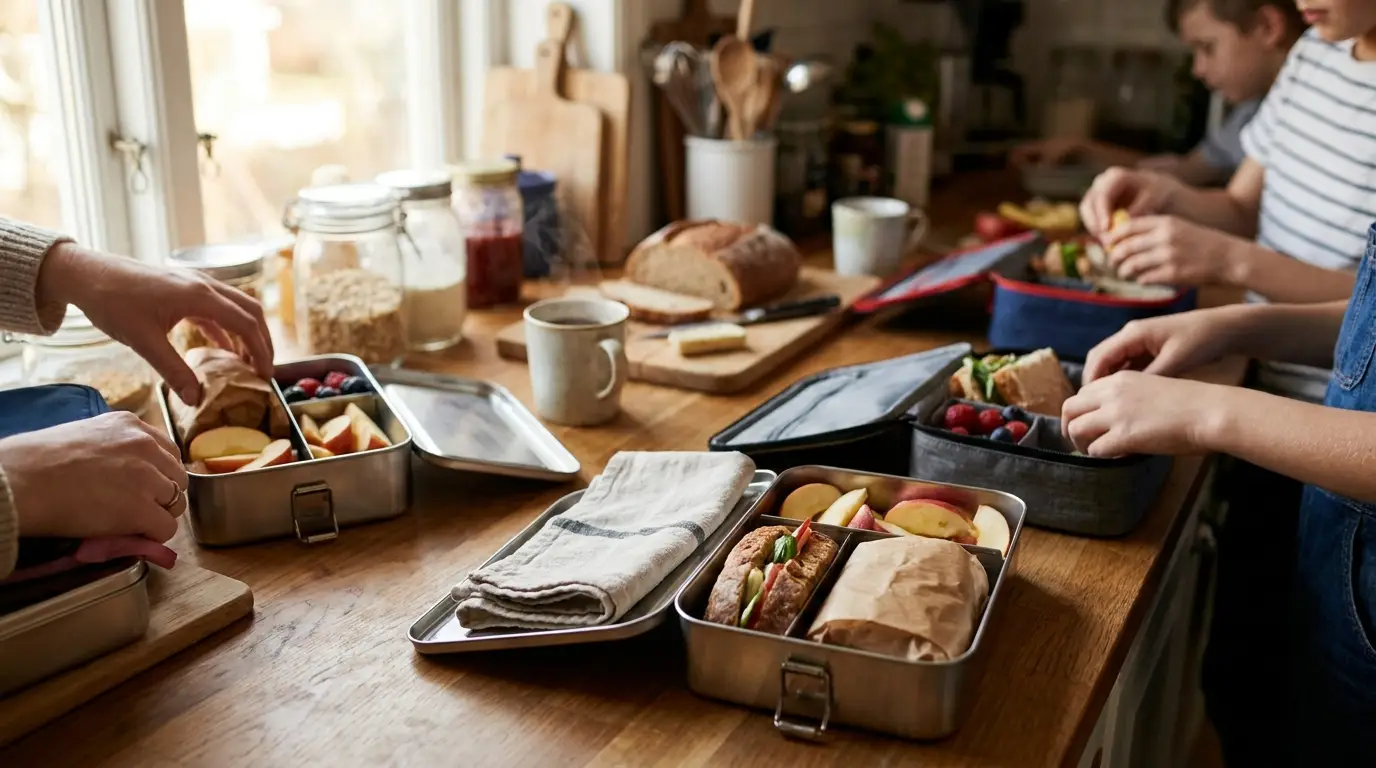
Plan fast dinners for the nights that are actually busy
School nights rarely leave room for a long cook, so build your weekly plan around meals that take twenty to thirty minutes start to finish. Keep three or four of these fast dinners on rotation so you are never deciding from scratch on a Tuesday with homework, practice, and a hungry table all happening at once.
Sheet-pan dinners, pasta with a simple sauce, and stir-fries are reliable because most of the work is chopping, not attention. Save the one slower recipe for a weekend night when there is room for it.
Build lunches from a few swappable parts, not new ideas daily
A workable school lunch is a formula, not a fresh idea every morning: one protein, one carb, one fruit or vegetable, and one extra, mixed and matched across the week. Prep the parts once, like boxed portions of crackers, cut fruit, and a protein, and assembly takes two minutes instead of a decision each morning.
- Protein: sliced deli meat, hard-boiled eggs, cheese cubes, or leftover chicken.
- Carb: bread, crackers, tortilla wraps, or leftover rice.
- Fruit or vegetable: whatever is in season and needs using up first.
Set one fixed time each week to plan and shop
Pick a single recurring slot, Sunday afternoon works for most families, to check the calendar for the week's practices and late nights, choose dinners and lunches around it, and write one shopping list. Doing this at the same time every week turns meal planning into a habit instead of a decision you have to remember to make.
Once the routine is set, it gets faster every week because you are reusing a rotation rather than starting over. Most families land on a plan in fifteen to twenty minutes once the system is familiar.
Keep one backup meal ready for the nights that fall apart
Even a solid plan needs a release valve for the night practice runs long or a meeting overruns. Keep a backup dinner on hand that needs no real cooking: a frozen meal, breakfast for dinner, or a pantry pasta, so an unpredictable evening doesn't turn into an expensive last-minute takeout order.
Stock this backup consistently rather than treating it as an afterthought. Knowing it's there removes the stress of a plan slipping and keeps the week's budget on track even on the nights that don't go as planned.
Frequently asked questions
How many dinners should I plan for a busy family week?
How do I keep school lunches from getting boring?
What is the best time to plan the week's meals?
How can I make school-night dinners faster without sacrificing nutrition?
Keep reading
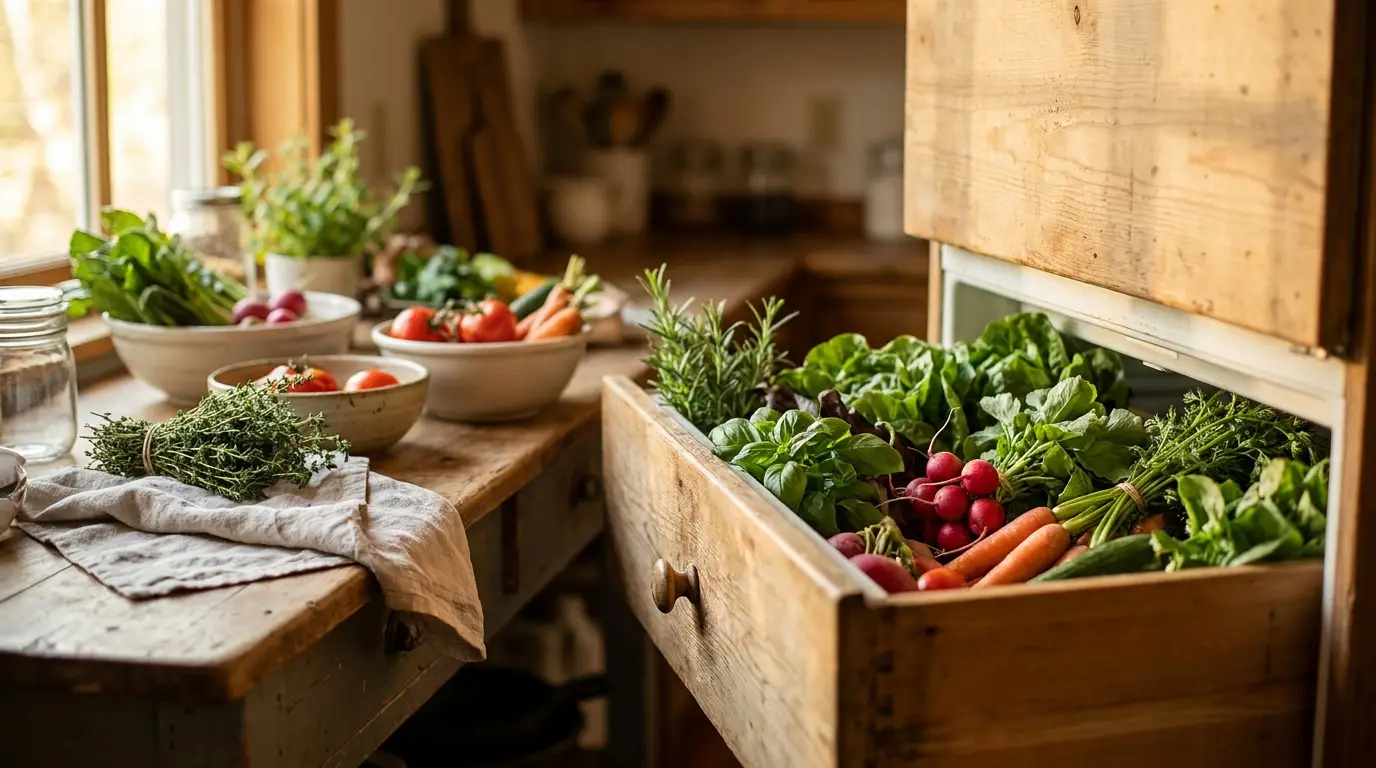
How to store produce so it lasts longer
A simple guide to storing fruit and vegetables so they last: what goes in the fridge, what stays out, and what to keep apart.
How to build a weekly meal plan you'll actually follow
A simple, repeatable way to plan a week of meals around your household, cut the daily what-is-for-dinner scramble, and shop once. Seven steps, no spreadsheet required.
Build a plan around your household
Set your diet, allergies, eaters, and budget once. Feastide plans the week and turns it into one aisle-grouped shopping list you'll actually use in the store.